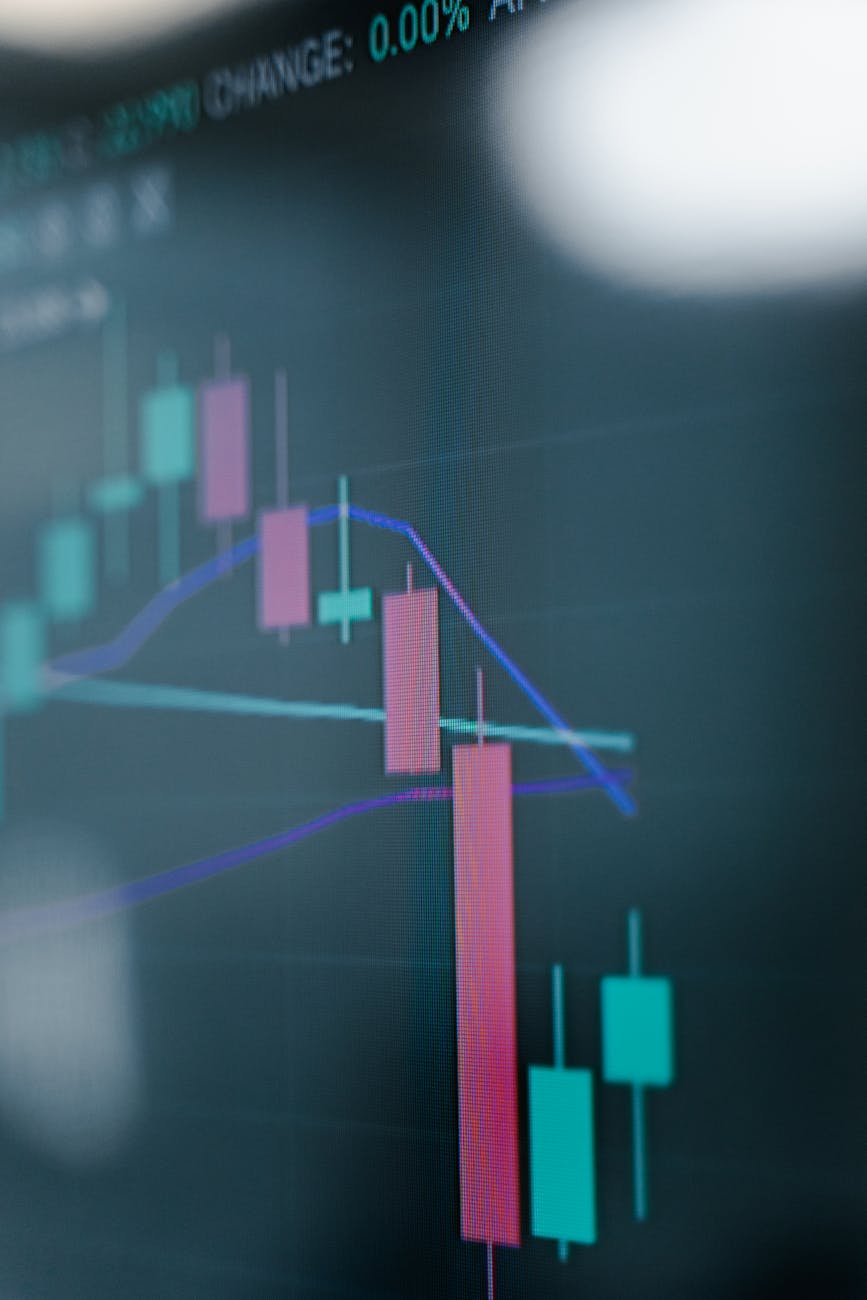
Fear and greed get talked about mostly in the context of whole markets, euphoric tops and panicked bottoms. But the same two forces are quietly shaping decisions on an ordinary, individual trade, in ways that are often harder to notice from the inside.
What fear does to a trade
Fear shows up as hesitation on a valid setup, cutting a winning position before the planned target because the gain feels fragile, or widening a stop because the original one feels too aggressive once the trade is actually live. Each of these feels like caution in the moment. The pattern, over many trades, is a trader who takes smaller wins than their plan called for and gives losing trades more room than the plan allowed.
What greed does to a trade
Greed tends to work in the opposite direction. It shows up as oversized positions on a setup that feels unusually strong, ignoring a planned exit because the trade “still has room to run,” or adding to a winning position past the point the original plan called for. It feels like conviction. The pattern is a trader whose best trades sometimes give back a large share of their gains because the exit plan got abandoned partway through.
Why both are hard to catch in real time
Both fear and greed feel like reasonable judgment in the moment they occur. Fear feels like prudence. Greed feels like confidence. Neither announces itself as an emotion overriding a plan, which is exactly what makes them difficult to interrupt while a position is open.
Managing both with the same approach
The same fix works for both: decide the stop, the target, and the position size before the trade is open, and treat those decisions as fixed once price is live. This does not remove fear or greed, but it removes their ability to change the outcome, since the decisions they would otherwise influence have already been made in a calmer state.