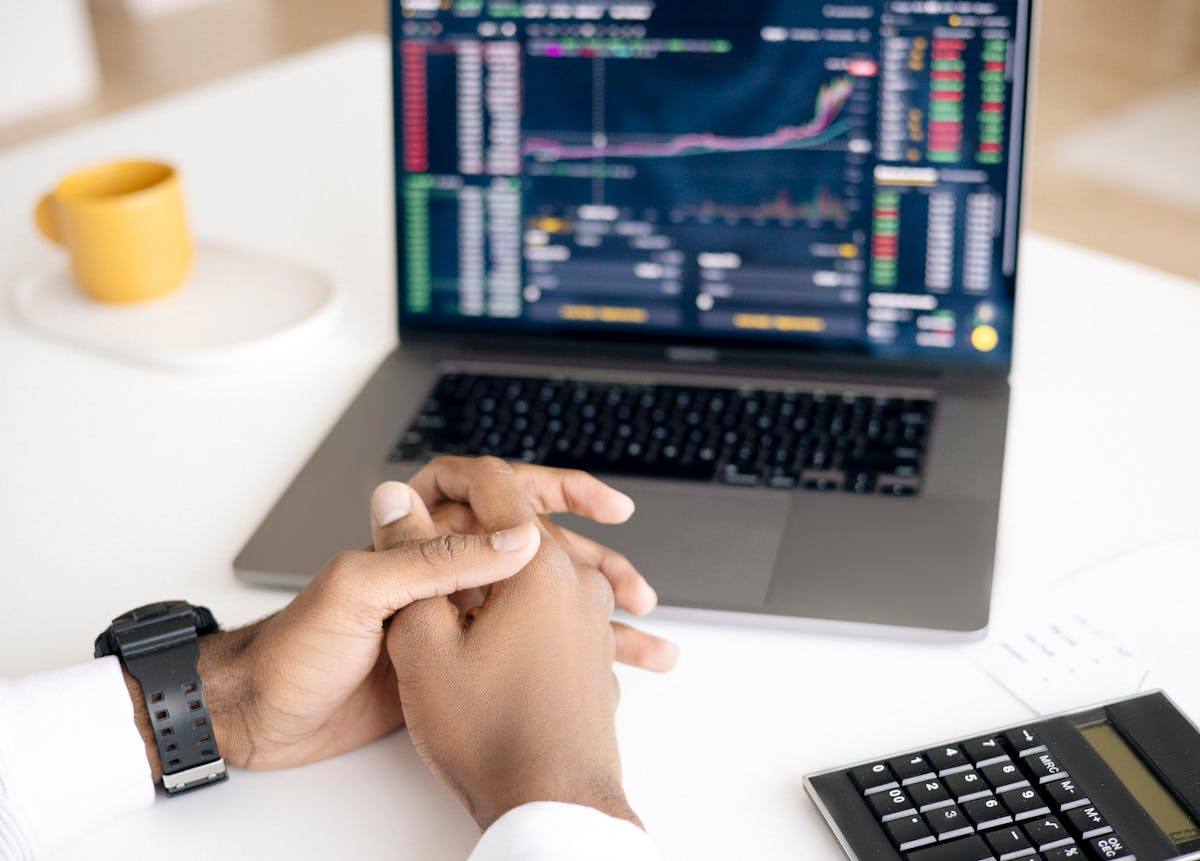
A futures trading journal is most useful when it turns contract size and fast execution into reviewable decisions. It should show whether you kept risk stable as conditions changed, not simply whether the day finished green.
The question after a difficult session is not “Did I make it back?” It is “Did I trade the plan I brought into the session?” A journal should make that answer obvious.
Fields that matter for futures traders
Record the contract, number of contracts, session, entry, stop, planned dollar risk, exit, and the reason for the trade. Add a tag for news, liquidity, or fatigue when it shaped your decision. These fields make it easier to compare clean execution against impulsive size changes.
Review the session, not only the trade
Near-continuous markets can blur the line between a planned session and a reactive one. Review results by time of day and after wins or losses. Our guide to futures trading psychology explains why this context matters.
One filter worth using every week
Filter trades taken after your first loss. Then compare contract size, time of day, and rule adherence with your first trades of the session. This is often where a normal drawdown turns into a behavior problem.
PnL App gives traders a place to keep the numbers, notes, and behavioral patterns together. For the essential journal fields, start with our trading journal template.