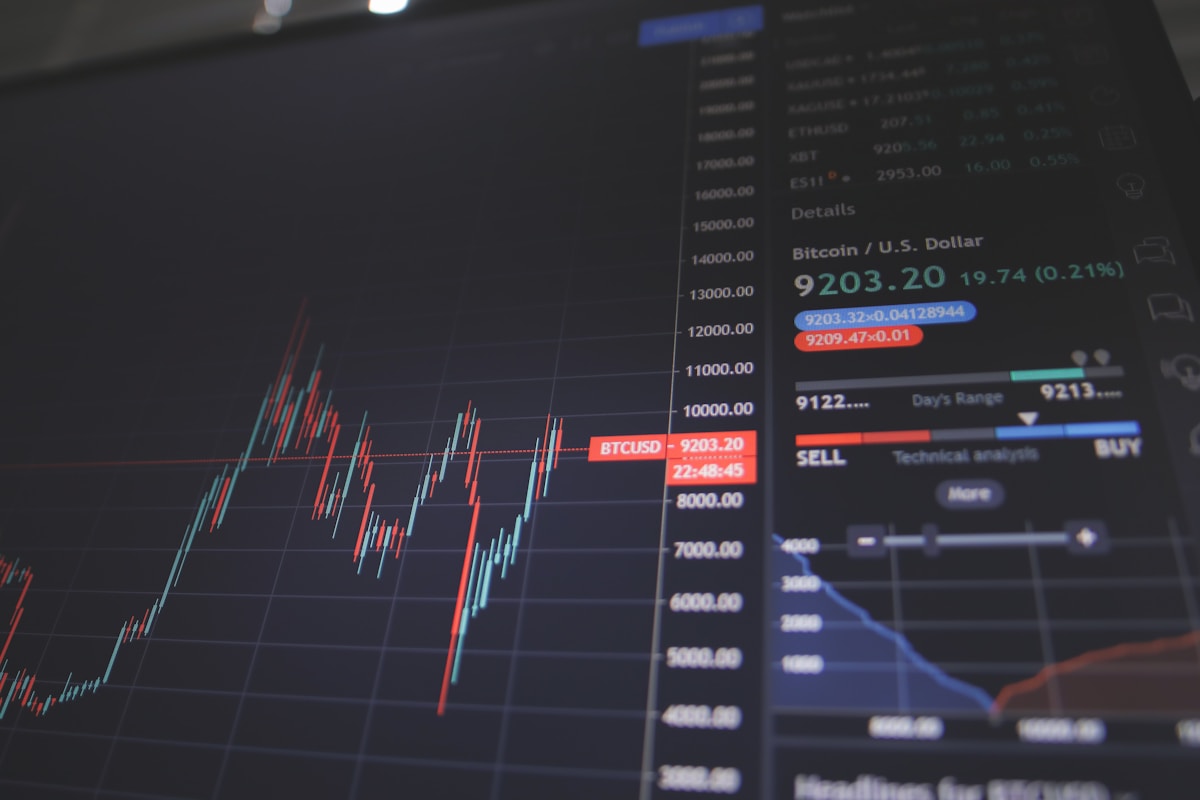
A FOMO trade begins when the discomfort of missing a move becomes more important than the quality of the trade. The chart may be moving quickly, other traders may be posting wins, and doing nothing can feel like a mistake. That feeling is real. It is not, by itself, an entry signal.
Use this checklist before you buy into a surge, short a sharp selloff, or increase size because the market suddenly looks obvious.
1. Was this setup in my plan before the move?
Ask whether you identified the market, level, catalyst, or setup before the chart accelerated. If the answer is no, treat it as a new idea, not a missed version of your original plan. A trade can still be researched, but it should not be rushed simply because it is already moving.
2. Is price still inside my acceptable entry range?
Every setup needs a point where the entry becomes too extended. If price has moved beyond that range, the original trade no longer exists. Entering late often creates an awkward choice: use a wider stop, accept worse reward relative to risk, or place an unrealistically tight stop. None is a reason to force the order.
3. Where is the invalidation point?
Write the price or market condition that would prove the idea wrong. “I will sell if it feels bad” is not an invalidation point. If you cannot define one without making risk too large, the trade may be a pass.
4. What dollar amount am I willing to lose?
Risk comes before position size. Decide the loss you can accept, then use a position-size calculator to work out size from the entry and stop. Raising size because a move feels urgent is one of the clearest FOMO signals.
5. What event made this feel urgent?
Name the trigger: a large candle, a social-media post, a friend’s trade, a news headline, or a previous loss. The trigger is useful journal data. If the same trigger appears before your worst entries, you can build a specific rule around it.
6. What is the non-trading action?
Give yourself an option other than “enter now.” Set an alert at a planned pullback area. Add the symbol to a watchlist. Record it as a missed setup. Or close the chart. A real alternative stops urgency from posing as a binary choice.
7. Would I take this exact trade if nobody else could see it?
This is the cleanest test. If the urge weakens when you remove the audience, the trade may be about participation rather than process.
A simple FOMO rule to use this week
For one week, tag every trade that was influenced by fear of missing a move. Also tag every move you chose not to chase. At the end of the week, compare planned entries, late entries, and missed trades. You may find that the cost of chasing is larger than the cost of waiting.
For a deeper explanation of the pattern, read what FOMO means in trading and how to stop FOMO trading. PnL App can help keep the trigger, plan, and result in one reviewable record.
This article is for education, not investment advice. Markets can move quickly and every trade carries risk.